

In an era where digital ad spend is projected to exceed $800 billion globally, the margin for error has vanished. According to recent market data, businesses that rely on organic reach alone are losing ground to competitors who leverage data-driven acquisition strategies. The shift from brand awareness to measurable revenue generation defines the modern marketing landscape. This guide explores why partnering with a specialized performance marketing agency is no longer optional but essential for sustainable growth. (Design Digital Performance Marketing)
What Is Performance Marketing?
Performance marketing is a comprehensive digital strategy where advertisers pay only for specific, predefined actions. These actions can include clicks, leads, sales, or app installs. Unlike traditional marketing models that charge for impressions regardless of outcome, this approach ties compensation directly to results. This alignment of incentives ensures that the agency is motivated to maximize return on investment (ROI) for every dollar spent. (Design Digital Blog Design)
At its core, performance marketing relies on real-time analytics and attribution modeling. It allows businesses to track the entire customer journey from initial touchpoint to conversion. This transparency eliminates guesswork and provides a clear line of sight between marketing spend and revenue generation. For businesses seeking predictable growth, understanding this model is the first step toward operational excellence.
Cost Efficiency and Risk Mitigation
One of the most significant advantages of hiring a performance marketing agency is the inherent cost efficiency. Traditional advertising often involves fixed costs for media buys, regardless of whether those ads generate sales. In contrast, performance marketing operates on a variable cost model. You pay for results, which significantly reduces financial risk during the initial phases of a campaign.
Agencies like Design Digital specialize in balancing creative storytelling with data analytics to ensure that every campaign dollar is spent wisely. By focusing on high-intent keywords and targeted audiences, agencies can lower customer acquisition costs (CAC) while maintaining or improving lead quality. This efficiency is particularly crucial for small to medium-sized enterprises that operate with limited marketing budgets.
Furthermore, agencies mitigate risk through continuous testing and optimization. They employ A/B testing methodologies to refine ad copy, landing pages, and audience segments. This iterative process ensures that underperforming campaigns are paused or adjusted quickly, preventing budget waste. The result is a more resilient marketing strategy that adapts to market fluctuations without exposing the business to unnecessary financial exposure.
Data-Driven Decision Making
In the digital age, data is the new currency. Performance marketing agencies leverage advanced analytics tools to gather, process, and interpret vast amounts of consumer data. This data-driven approach allows for precise audience targeting and personalized messaging. According to McKinsey research, organizations that leverage data-driven insights are twice as likely to outperform their peers in revenue growth.
Agencies utilize sophisticated attribution models to determine which channels and tactics contribute most to conversions. This insight enables businesses to allocate budget to the highest-performing platforms, such as Google Ads, Meta, or TikTok. By understanding the customer journey, agencies can optimize touchpoints to improve conversion rates and reduce friction in the sales funnel.
Additionally, real-time reporting provides stakeholders with immediate visibility into campaign performance. This transparency allows for agile decision-making, where strategies can be adjusted on the fly based on current data rather than historical trends. This agility is critical in a fast-paced digital environment where consumer behavior can shift rapidly.
Access to Specialized Expertise
Performance marketing is a complex discipline that requires expertise in multiple areas, including search engine optimization (SEO), pay-per-click (PPC) advertising, content strategy, and marketing automation. Hiring a full-time team to cover all these areas is often cost-prohibitive for many businesses. An agency provides access to a diverse team of specialists, each bringing deep knowledge in their respective fields.
For instance, Design Digital employs strategists, creative storytellers, and digital specialists who collaborate to deliver comprehensive solutions. This multidisciplinary approach ensures that marketing efforts are not only technically sound but also creatively compelling. The synergy between data and creativity is what drives high-converting campaigns.
Moreover, agencies stay abreast of the latest industry trends, algorithm updates, and platform changes. They invest in continuous training and certification to maintain their expertise. This commitment to professional development ensures that clients benefit from cutting-edge strategies and best practices, giving them a competitive edge in their respective markets.
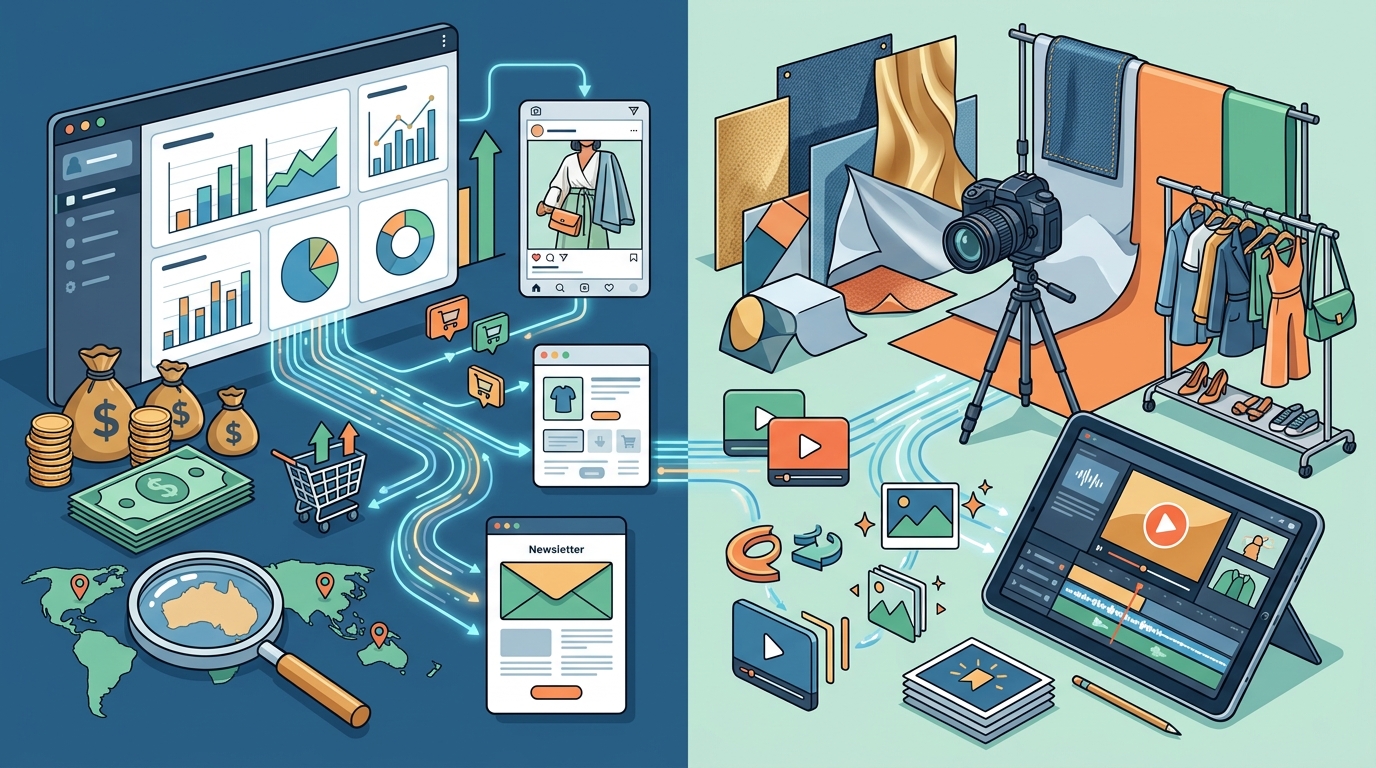
Scalability and Agility
As businesses grow, their marketing needs evolve. Performance marketing agencies offer the scalability to adjust campaign intensity and budget allocation based on business objectives. Whether you are launching a new product or expanding into new markets, an agency can quickly scale efforts to meet demand.
Agility is another key benefit. Agencies can pivot strategies rapidly in response to market changes or competitor actions. This flexibility is difficult to achieve with an in-house team that may be constrained by established processes or resource limitations. By leveraging an agency's established workflows and tools, businesses can respond to opportunities and threats with speed and precision.
Additionally, agencies often have access to premium tools and technologies that may be too expensive for individual businesses to purchase. These tools provide deeper insights, better automation capabilities, and more robust reporting features. By sharing these resources across multiple clients, agencies can offer high-end technology at a fraction of the cost.
Agency vs. In-House Comparison
When deciding between hiring an agency and building an in-house team, businesses must consider cost, expertise, and scalability. The following table summarizes the key differences to help inform your decision.
| Factor | Performance Marketing Agency | In-House Team |
|---|---|---|
| Cost Structure | Variable, tied to performance | Fixed salaries, benefits, and overhead |
| Expertise | Multi-disciplinary specialists | Generalists or single specialists |
| Scalability | High, rapid adjustment | Low, limited by hiring cycles |
| Technology Access | Premium tools included | Separate software licenses required |
| Focus | Dedicated to marketing results | Distracted by other internal tasks |
Key Takeaways
- ROI Focus: Performance marketing ties costs directly to results, ensuring every dollar spent contributes to business goals.
- Data Advantage: Agencies leverage advanced analytics to optimize campaigns and reduce customer acquisition costs.
- Specialized Skills: Access to a team of experts in SEO, PPC, and content strategy without the cost of full-time hires.
- Scalability: Easily adjust marketing efforts to match business growth or seasonal fluctuations.
- Agility: Rapid response to market changes and algorithm updates keeps campaigns effective.
- Creative + Data: The combination of data insights and creative storytelling drives higher engagement and conversions.
- Technology: Access to premium marketing tools and platforms that might be cost-prohibitive for in-house teams.
Frequently Asked Questions
What is the primary difference between performance marketing and traditional marketing?
Traditional marketing charges for impressions or reach, regardless of whether those views lead to sales. Performance marketing charges only for specific actions, such as clicks or conversions, aligning costs directly with results.
How long does it take to see results from a performance marketing campaign?
While some tactics like paid search can generate immediate traffic, optimizing for long-term ROI typically takes 3 to 6 months. This period allows for data collection, testing, and strategic refinement.
Can a small business benefit from hiring a performance marketing agency?
Yes, small businesses often benefit significantly by leveraging an agency's expertise and technology. It allows them to compete with larger competitors without the overhead of building an in-house team.
What metrics should I track to measure performance marketing success?
Key metrics include Return on Ad Spend (ROAS), Customer Acquisition Cost (CAC), Conversion Rate, and Click-Through Rate (CTR). These indicators provide a comprehensive view of campaign effectiveness.
Do performance marketing agencies work with all industries?
Agencies often specialize in specific sectors, such as e-commerce, real estate, or professional services. It is important to choose an agency with experience in your industry to ensure relevant strategies and insights.
How does an agency handle data privacy and compliance?
Reputable agencies adhere to strict data privacy regulations, such as GDPR and CCPA. They implement secure data handling practices and ensure all marketing activities comply with current legal standards.
Is performance marketing suitable for B2B companies?
Absolutely. B2B companies use performance marketing to generate qualified leads through targeted content, search ads, and LinkedIn campaigns. The focus is on lead quality and sales cycle alignment rather than immediate sales.
Start Your Growth Journey
Ready to transform your marketing strategy and drive measurable results? Partner with a team that understands the balance of data and creativity. Contact Design Digital today to request a comprehensive audit and discover how we can accelerate your business growth.