

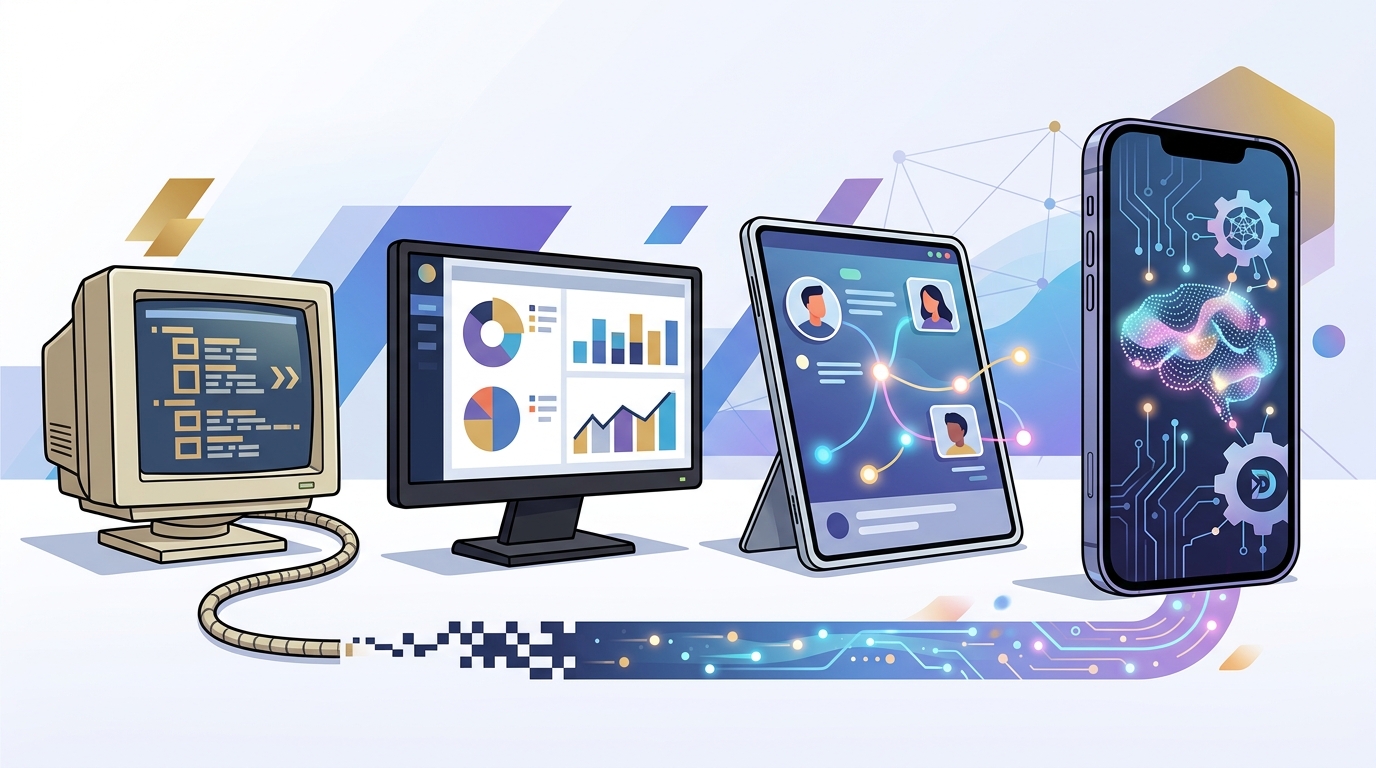
Digital marketing has undergone a radical transformation over the last two decades. What began as simple keyword stuffing has evolved into a sophisticated ecosystem driven by artificial intelligence and predictive analytics. According to recent industry reports, the global digital marketing spend is projected to exceed $800 billion by 2026, reflecting a massive shift in how brands connect with consumers. This evolution is not just about technology; it is about the fundamental change in consumer behavior and the demand for hyper-personalized experiences.
The Early Era of Search and Content
In the late 1990s and early 2000s, digital marketing was dominated by Search Engine Optimization (SEO). The primary goal was to rank high on search engines like Google. SEO is the practice of optimizing web content to improve visibility in organic search results. During this period, backlinks and keyword density were the most critical factors. Brands focused heavily on acquiring links from other websites to boost their authority.
Content marketing also began to take shape. The idea was that providing valuable information would attract customers. However, the content was often generic and not tailored to individual user needs. The focus was on quantity rather than quality. This era laid the groundwork for modern digital strategies but lacked the precision we see today.
For brands looking to understand the basics of this foundational period, exploring our Advertising Basics guide provides essential context on how these early metrics were measured.
The Rise of Social and Mobile
The mid-2000s saw the explosion of social media platforms. Facebook, Twitter, and later Instagram changed how brands interacted with their audiences. Social media marketing is the use of social platforms to build brand awareness and drive engagement. This shift required brands to be more conversational and responsive. The one-way communication of traditional advertising was replaced by two-way dialogue.
Simultaneously, the rise of smartphones transformed mobile marketing. Consumers began accessing the internet on the go. This necessitated responsive web design and mobile-first strategies. Brands had to ensure their content was accessible and optimized for smaller screens. The location-based data available through mobile devices also opened up new targeting possibilities.
Design Digital has witnessed this shift firsthand, helping clients like Cleopatra’s Bling and Dion Lee navigate the complexities of social media and mobile engagement. Our approach balances data insights with creative storytelling to ensure brands remain visible across all channels.
The Data-Driven Marketing Revolution
As technology advanced, data became the most valuable asset in marketing. The ability to track user behavior, measure campaign performance, and optimize in real-time changed the industry. Marketing automation is the use of software to automate repetitive marketing tasks and streamline processes. This allowed for more efficient lead nurturing and customer journey mapping.
Personalization became a key differentiator. Brands could now deliver tailored content based on user preferences and past behavior. This level of customization improved conversion rates and customer loyalty. However, it also raised concerns about privacy and data security. Regulations like GDPR and CCPA were introduced to protect consumer data.
At Design Digital, we emphasize the balance of data and creative. Our Digital Strategy services help clients leverage data to drive growth while maintaining a strong brand identity. We work with industries ranging from e-commerce to real estate to deliver targeted campaigns.
AI and Marketing Automation
The current era is defined by artificial intelligence and machine learning. AI is transforming how marketers create content, target audiences, and analyze results. Artificial intelligence in marketing refers to the use of algorithms to automate decision-making and enhance customer experiences. Chatbots, predictive analytics, and programmatic advertising are just a few examples of AI applications.
Generative AI is also making waves. Tools like ChatGPT allow marketers to create content at scale. However, the human touch remains essential. AI can generate ideas, but it cannot replicate the empathy and creativity of a human strategist. The most successful brands use AI to augment their human capabilities, not replace them.
Our team at Design Digital, including specialists like Brett de Leijer and Luke Talbot, stays at the forefront of these technological advancements. We help clients integrate AI into their workflows to improve efficiency and effectiveness.
Future Trends in Digital Strategy
Looking ahead, several trends will shape the future of digital marketing. Voice search optimization is becoming increasingly important as more people use smart speakers. Video content will continue to dominate, with short-form videos like those on TikTok gaining prominence. Privacy-first marketing will also be a major focus, as third-party cookies are phased out.
Brands must adapt to these changes to remain competitive. This requires a flexible mindset and a willingness to experiment. Investing in the right tools and talent is crucial for success. The brands that thrive will be those that prioritize customer value and authenticity.
For more insights on navigating these trends, check out our blog where we regularly publish updates on the latest industry developments.
Key Takeaways
- Digital marketing has evolved from simple SEO to complex AI-driven strategies.
- Social media and mobile technology have fundamentally changed consumer behavior.
- Data privacy and security are critical considerations for modern marketers.
- AI enhances human creativity but does not replace the need for strategic oversight.
- Personalization and authenticity are key drivers of customer loyalty.
- Design Digital specializes in helping brands navigate these changes with tailored strategies.
- Future success depends on adapting to emerging technologies and consumer preferences.
Frequently Asked Questions
What is the most important factor in modern digital marketing?
Data-driven personalization is currently the most critical factor. Brands that can deliver relevant content to the right audience at the right time see the highest engagement and conversion rates.
How has AI changed content creation?
AI allows for faster content generation and optimization. It helps identify trending topics and optimize headlines for search engines, though human creativity remains essential for brand voice.
Why is mobile optimization essential?
The majority of web traffic now comes from mobile devices. If a site is not mobile-friendly, users will leave quickly, hurting both user experience and search rankings.
What is marketing automation?
Marketing automation involves using software to automate repetitive tasks like email campaigns, social media posting, and lead scoring, freeing up time for strategic work.
How can small businesses compete with larger brands?
Small businesses can compete by focusing on niche audiences and building strong community relationships. Authenticity and personalized service often outweigh the budgets of larger competitors.
What role does video play in digital marketing?
Video is a powerful medium for engagement. It conveys information quickly and emotionally. Short-form video content is particularly effective for reaching younger audiences on platforms like TikTok and Instagram.
How do I measure the success of my digital marketing efforts?
Success is measured through key performance indicators (KPIs) such as conversion rates, return on ad spend (ROAS), customer acquisition cost (CAC), and website traffic growth.
Start Your Digital Journey
The evolution of digital marketing is ongoing. To stay ahead, you need a partner who understands both the technology and the human element. Design Digital is ready to help you navigate this complex landscape. We bring strategists, creative storytellers, and digital specialists under one roof to deliver results.
Ready to transform your brand? Contact us today to schedule a consultation and discover how we can accelerate your growth.