

Common Mistakes When Partnering With a Performance Marketing Agency and How to Avoid Them
Choosing the right marketing partner is one of the most critical decisions a business owner can make. Data shows that companies with strong digital marketing strategies see a 2.5x higher purchase rate than those without. However, the gap between success and stagnation often lies in the partnership dynamic itself. Many businesses fail not because the marketing is bad, but because the alignment between client and agency is mismanaged. This guide outlines the most frequent pitfalls in agency collaborations and provides actionable strategies to ensure your investment yields measurable ROI.
1. Misaligned Goals and KPIs
One of the most common reasons for agency failure is a disconnect in what "success" looks like. Clients often request "more traffic," while agencies focus on "lower cost per acquisition." Without a unified definition of key performance indicators (KPIs), efforts become fragmented. Performance marketing is not just about clicks; it is about driving revenue and growth through data-driven insights.
To avoid this, establish clear, measurable objectives before the contract is signed. Define whether the primary goal is lead generation, e-commerce sales, or brand awareness. At Design Digital, we emphasize that every campaign must balance data and creative to accelerate growth. This ensures that both parties are working toward the same financial outcomes.
2. Lack of Transparency and Communication
Agencies operate best when they have full visibility into a brand’s operational realities. When clients withhold information about inventory constraints, sales cycles, or internal team changes, campaigns suffer. Transparency is the foundation of trust in any B2B or B2C partnership.
Regular reporting and open dialogue are essential. Our blog frequently highlights how consistent communication prevents costly missteps. We recommend scheduling weekly or bi-weekly strategy calls to review performance data and adjust tactics in real-time. This proactive approach ensures that campaigns remain agile and responsive to market changes.
3. Ignoring Data in Favor of Vanity Metrics
Vanity metrics, such as likes, shares, or page views, often provide a false sense of security. They do not directly correlate to revenue or customer acquisition. A common mistake is celebrating high engagement numbers while ignoring low conversion rates. This disconnect can lead to wasted budget and missed opportunities.
Focus on metrics that matter: return on ad spend (ROAS), customer lifetime value (CLV), and conversion rates. Understanding advertising basics is crucial for founders who want to measure real impact, not just fluffy data. By prioritizing data-driven decisions, you ensure that every dollar spent contributes to the bottom line.
4. Expecting a One-Size-Fits-All Solution
Every business has unique challenges, target audiences, and competitive landscapes. Applying a generic marketing strategy to a specialized industry, such as fashion or real estate, often results in poor performance. For instance, a strategy that works for a high-ticket luxury brand will likely fail for a fast-moving consumer goods company.
Look for an agency that specializes in your industry. Design Digital specializes in sectors like e-commerce, fashion, and real estate, allowing us to tailor strategies that resonate with specific audiences. This specialization ensures that we understand the nuances of your market and can deliver targeted, high-converting campaigns.
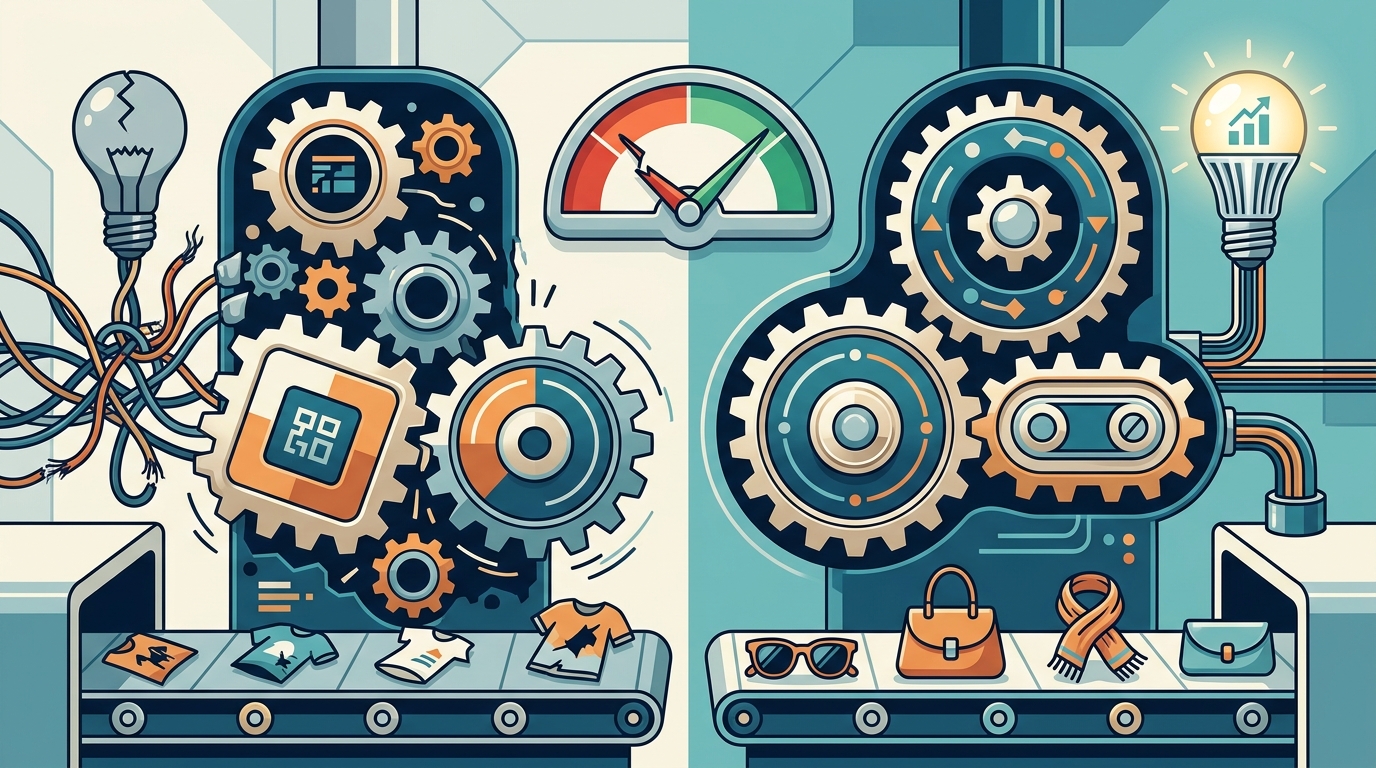
5. Poor Onboarding and Asset Preparation
Many campaigns start with a lag because of inadequate onboarding. If an agency does not have access to necessary assets, such as brand guidelines, product feeds, or historical data, they cannot optimize effectively. This delay can cost valuable time and budget in the critical early stages of a partnership.
Prepare a comprehensive onboarding package that includes all relevant brand assets, access to analytics platforms, and clear documentation of past performance. This preparation allows the agency to hit the ground running. Contact us to discuss how we can streamline your onboarding process and maximize initial campaign impact.
6. Focusing Only on Short-Term Gains
Performance marketing often delivers quick wins, but sustainable growth requires a long-term perspective. Focusing solely on immediate conversions can neglect brand building and customer retention, which are vital for long-term profitability. A balanced approach integrates both performance and brand strategies.
Work with an agency that values both short-term results and long-term brand equity. Our team is dedicated to building lasting partnerships that drive consistent growth. By aligning short-term tactics with long-term goals, you create a resilient marketing engine that adapts to market shifts while maintaining brand integrity.
Comparing Agency Service Models
Understanding the different ways agencies operate can help you choose the right partner. Below is a comparison of common service models:
| Service Model | Best For | Key Benefit |
|---|---|---|
| Full-Service Agency | Businesses needing end-to-end support | Unified strategy across all channels |
| Specialized Niche Agency | Industries with unique regulatory or creative needs | Deep industry expertise and tailored tactics |
| Freelance Consultants | Small budgets or specific project needs | Cost-effective for targeted tasks |
| In-House Team | Large enterprises with complex needs | Direct control and immediate availability |
For many businesses, a specialized agency like Design Digital offers the best balance of expertise and flexibility. We provide services in paid advertising, SEO, content creation, and marketing automation, ensuring a holistic approach to your digital growth.
Key Takeaways
- Align KPIs Early: Define clear, measurable goals before starting any campaign to ensure mutual understanding of success.
- Prioritize Transparency: Maintain open lines of communication and share critical business updates to keep campaigns on track.
- Focus on Revenue Metrics: Ignore vanity metrics and concentrate on ROAS, CLV, and conversion rates for true performance insights.
- Seek Specialization: Choose an agency with expertise in your specific industry, such as e-commerce or fashion, for tailored strategies.
- Prepare for Onboarding: Have all brand assets and access credentials ready to minimize launch delays and maximize initial impact.
- Balance Short and Long-Term Goals: Integrate brand building with performance tactics to ensure sustainable growth beyond immediate conversions.
- Choose the Right Partner: Evaluate agencies based on their cultural fit, expertise, and ability to act as an extension of your team.
Frequently Asked Questions
What is performance marketing?
Performance marketing is a type of digital marketing where advertisers pay only when a specific action is completed, such as a sale, lead, or click. It focuses on measurable results and ROI.
How do I choose the right marketing agency?
Look for an agency with industry-specific experience, transparent reporting practices, and a collaborative culture. Request case studies and client references to verify their track record.
What are vanity metrics?
Vanity metrics are superficial numbers like likes or followers that do not directly correlate to business outcomes. They often provide a false sense of achievement without driving revenue.
Why is onboarding important for marketing campaigns?
Effective onboarding ensures that the agency has all the necessary assets, access, and context to launch campaigns quickly and accurately. It reduces delays and improves initial performance.
Can I switch agencies if I am unhappy with results?
Yes, but it is important to review your contract terms and ensure a smooth transition. Documenting processes and data during your tenure with the previous agency will help the new partner succeed.
What is the difference between SEO and performance marketing?
SEO focuses on organic, long-term growth through content and technical optimization. Performance marketing typically involves paid channels that deliver immediate, measurable results based on specific actions.
How long does it take to see results from performance marketing?
Results can vary, but paid campaigns often show initial data within days. However, significant optimization and ROI improvement typically take 3 to 6 months as the agency gathers data and refines strategies.
Ready to Optimize Your Marketing Strategy?
Avoiding these common mistakes can transform your marketing efforts from a cost center into a revenue driver. Partnering with an agency that values data, creativity, and transparency is essential for long-term success. Contact Design Digital today to schedule a consultation and discover how we can help you achieve your growth goals.