

Data shows that businesses leveraging performance marketing see an average return on investment (ROI) that is significantly higher than traditional brand awareness campaigns. According to industry reports, performance-based models align agency incentives directly with client outcomes, ensuring that every dollar spent contributes to measurable growth. This shift from vanity metrics to tangible results has made performance marketing the cornerstone of modern digital strategy for ambitious brands. (Design Digital About Design)
The Power of Data-Driven Strategy
Performance marketing is a method of online advertising where payment is made only when a specific action is completed. This definition distingu it from traditional models where payment is based on impressions or reach. At the core of this approach is the relentless pursuit of data. Agencies like Design Digital balance data and creative to accelerate growth, ensuring that insights drive every decision. (Design Digital Performance Marketing)
When you hire a performance marketing agency, you gain access to sophisticated analytics tools that track user behavior across the entire funnel. This allows for precise audience targeting and real-time adjustments. For instance, if a particular ad set underperforms, the agency can pivot budget allocation instantly to high-performing channels. This level of granularity is difficult to achieve in-house without significant investment in tools and talent. (Design Digital Blog Design)
Furthermore, data-driven strategies reduce guesswork. Instead of relying on intuition, decisions are backed by historical performance data and predictive modeling. This leads to more consistent results and a clearer understanding of customer acquisition costs. According to recent marketing benchmarks, companies that prioritize data analytics are twice as likely to exceed their revenue targets.
Cost Efficiency and Risk Mitigation
One of the most compelling benefits of hiring a performance marketing agency is the inherent cost efficiency. Traditional marketing often involves fixed costs with uncertain returns. In contrast, performance marketing operates on a variable cost model. You pay for results, such as leads, sales, or clicks, rather than for potential visibility.
This model significantly lowers the barrier to entry for businesses looking to scale. It allows for controlled testing phases where budgets are allocated to small-scale experiments. If an experiment fails, the financial impact is minimal. If it succeeds, the budget can be scaled up with confidence. This iterative approach mitigates risk while maximizing the potential for high returns.
Additionally, agencies optimize for efficiency through continuous testing and refinement. They identify the most cost-effective channels and audiences, ensuring that your budget is not wasted on low-performing segments. This precision leads to a lower cost per acquisition (CPA) over time, improving overall profitability.
Access to Specialized Expertise
Performance marketing is a complex discipline that requires expertise in multiple areas, including search engine optimization, social media advertising, and marketing automation. Digital strategy is the framework that connects these elements into a cohesive plan. Hiring an agency provides immediate access to a team of specialists who stay updated on the latest industry trends and platform algorithms.
For example, search algorithms change frequently. An agency dedicated to search performance ensures that your campaigns remain compliant and effective. Similarly, social media platforms like Meta and TikTok constantly update their ad formats and targeting options. Specialists in these areas can leverage new features before your competitors do.
Moreover, agencies bring diverse industry experience. They have likely worked with clients in fashion, real estate, education, and e-commerce. This cross-industry knowledge allows them to apply best practices from one sector to another, fostering innovation and creative solutions. This breadth of expertise is invaluable for businesses seeking to break through market noise.
Agility and Rapid Scaling
In the fast-paced digital landscape, agility is a competitive advantage. Performance marketing agencies are structured to respond quickly to market changes. They can launch new campaigns, test new creatives, and adjust bids in real-time. This speed allows businesses to capitalize on emerging opportunities and mitigate threats before they impact revenue.
Scaling a performance marketing campaign is also more straightforward with an agency. They have established workflows and processes for expanding reach without sacrificing efficiency. Whether it is increasing budget on winning ad sets or expanding into new geographic markets, agencies can execute these changes rapidly.
This agility extends to creative production as well. Agencies often have in-house creative teams that can produce high-quality video content and static assets at scale. This ensures that your campaigns always have fresh, engaging materials to test against, preventing ad fatigue and maintaining audience interest.
Leveraging Advanced Technology Stacks
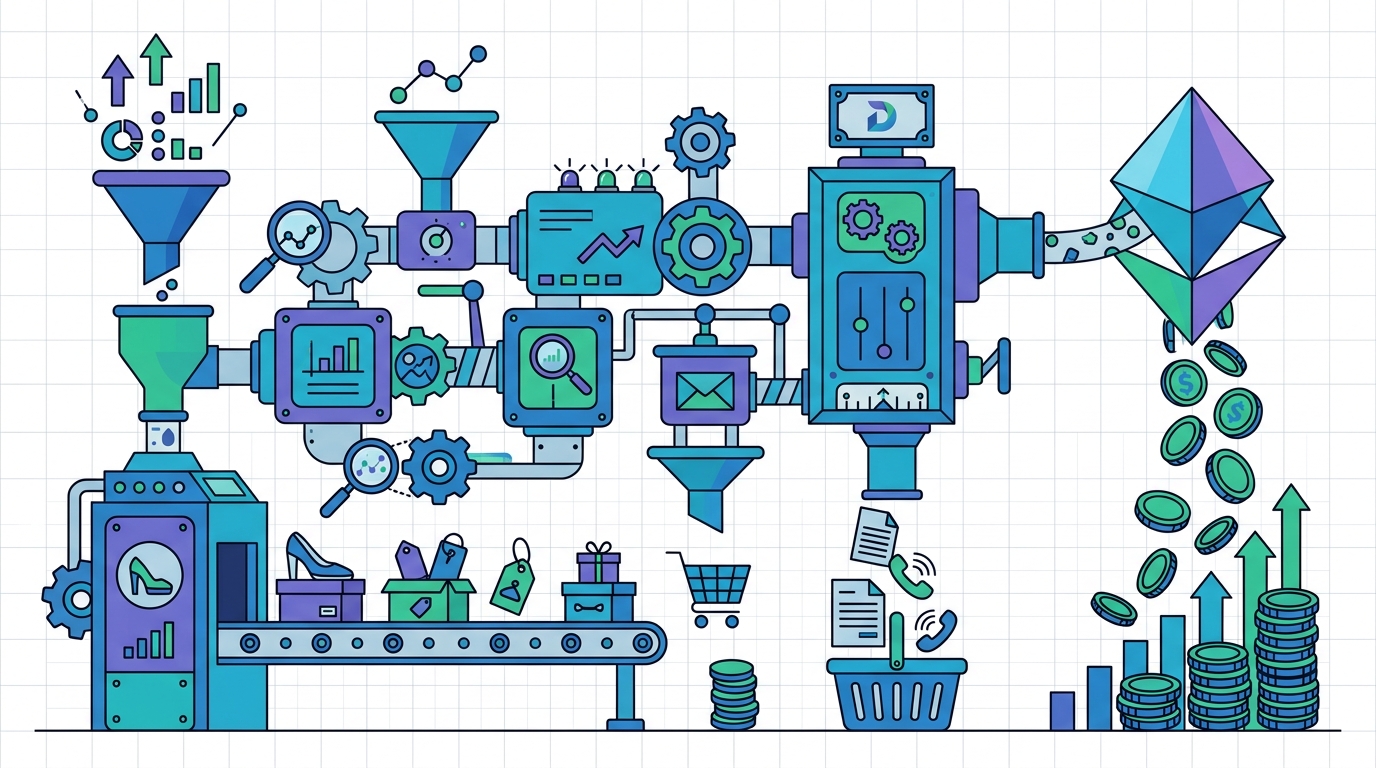
Modern performance marketing relies on a complex stack of technologies, including customer relationship management (CRM) systems, marketing automation platforms, and attribution models. Marketing automation is the use of software to automate repetitive marketing tasks, such as email nurturing and lead scoring. Agencies have access to these tools and the expertise to configure them effectively.
By integrating these technologies, agencies can create seamless customer journeys. For example, they can track a user from their first click to their final purchase, attributing value to each touchpoint. This holistic view of the customer journey allows for more accurate budget allocation and better personalization of marketing messages.
Furthermore, agencies stay ahead of privacy regulations and cookie deprecation trends. They implement advanced tracking solutions and first-party data strategies to ensure compliance and maintain measurement accuracy. This technical proficiency is critical for long-term success in a privacy-first world.
Continuous ROI Optimization
The ultimate goal of performance marketing is to maximize return on investment. Agencies are obsessed with ROI because their success is tied to yours. They continuously monitor campaign performance and make data-backed adjustments to improve efficiency. This ongoing optimization ensures that your marketing spend is always working as hard as possible.
Optimization involves multiple layers, from bid management and keyword refinement to creative testing and landing page optimization. Agencies use A/B testing to determine which variations perform best. They analyze user behavior on landing pages to identify friction points and improve conversion rates.
This relentless focus on optimization leads to compounding returns. As campaigns mature, they become more efficient, delivering more value for the same investment. This long-term perspective is essential for sustainable business growth. According to industry data, businesses that commit to continuous optimization see an average annual growth in marketing efficiency of 20%.
Key Takeaways
- Data-Driven Decisions: Performance marketing relies on analytics to guide strategy, reducing guesswork and improving accuracy.
- Cost Efficiency: Paying for results rather than impressions lowers risk and improves ROI.
- Specialized Expertise: Agencies provide access to experts in SEO, social media, and automation.
- Agility: Rapid response to market changes and ability to scale campaigns quickly.
- Advanced Technology: Access to sophisticated tools for tracking, automation, and attribution.
- Continuous Optimization: Ongoing testing and refinement to maximize returns over time.
- Cross-Industry Insight: Application of best practices from diverse sectors to drive innovation.
Frequently Asked Questions
What is the primary difference between performance marketing and traditional marketing?
Performance marketing charges based on specific actions like clicks or sales, while traditional marketing often charges for impressions or reach regardless of outcome.
How does a performance marketing agency measure success?
Agencies measure success using key performance indicators (KPIs) such as return on ad spend (ROAS), cost per acquisition (CPA), and conversion rate.
Is performance marketing suitable for all businesses?
While beneficial for most, it is particularly effective for businesses with clear digital conversion goals, such as e-commerce sales or lead generation.
How long does it take to see results from performance marketing?
Results can be seen quickly, often within weeks, as campaigns are optimized in real-time based on initial data.
Do I need to provide my own creative assets?
Not necessarily. Many agencies offer in-house creative services to produce high-performing ads and content tailored to your campaigns.
What industries do performance marketing agencies typically serve?
Agencies serve a wide range of industries, including e-commerce, real estate, fashion, education, and professional services.
How do agencies handle data privacy and compliance?
Agencies implement advanced tracking solutions and first-party data strategies to ensure compliance with regulations like GDPR and CCPA.
Can I scale my performance marketing budget as I grow?
Yes, one of the key benefits is the ability to scale successful campaigns efficiently without a proportional increase in management overhead.
Start Your Growth Journey
Ready to transform your digital presence? Partner with a team that balances data and creative to accelerate your growth. Visit Design Digital to explore our services and discover how we can help you achieve your business goals. Contact us today to schedule a consultation and start driving measurable results.