

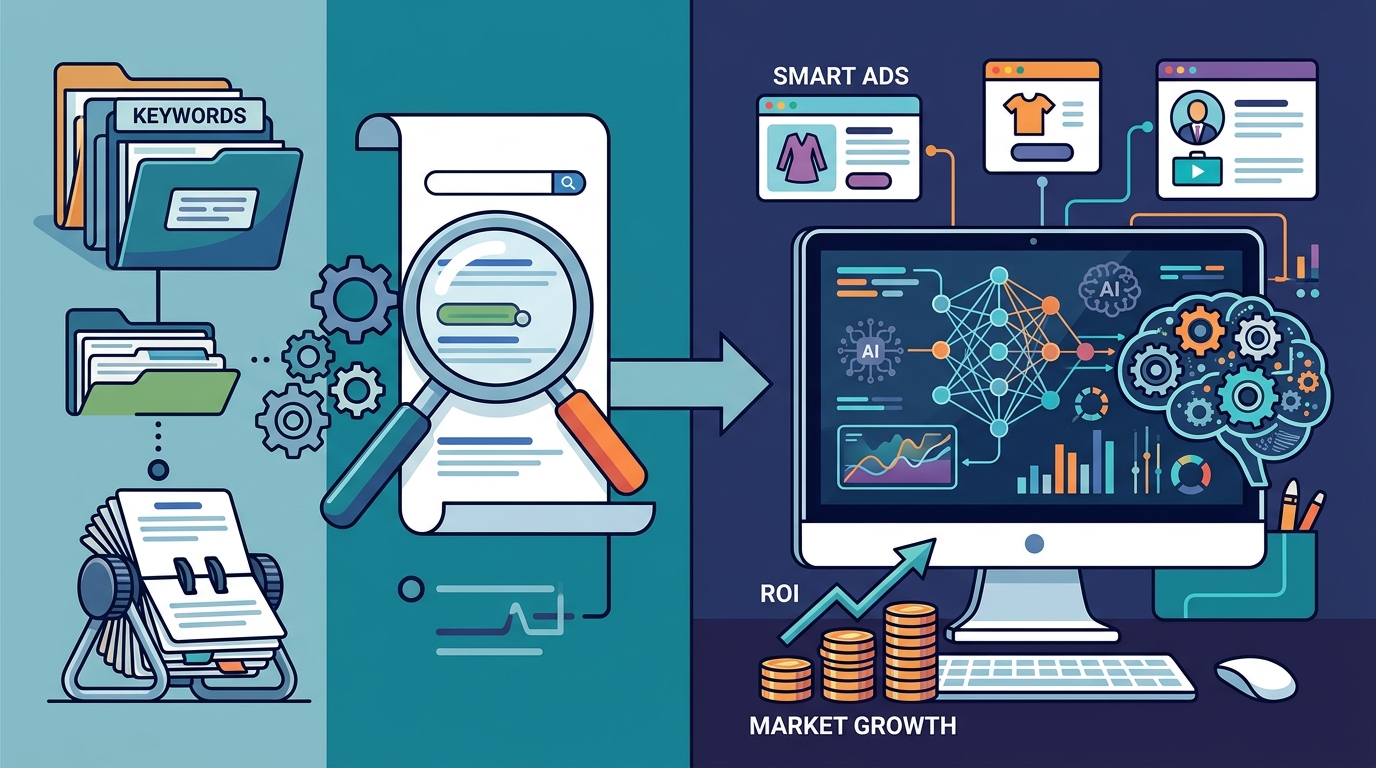
Digital marketing has undergone a radical transformation over the last two decades. What began as simple keyword stuffing has evolved into a complex ecosystem driven by artificial intelligence and data analytics. According to recent industry reports, the global digital marketing spend is projected to exceed $800 billion by 2026, reflecting a massive shift in how brands connect with consumers. This evolution is not just about technology; it is about the fundamental change in consumer behavior and the demand for personalized, seamless experiences. At Design Digital, we have witnessed this shift firsthand, helping brands navigate the transition from traditional advertising to performance-driven strategies. Understanding this history is critical for any business looking to remain competitive in the modern landscape. (Design Digital Performance Marketing)
The Foundations of Digital Marketing
In the early 2000s, digital marketing was primarily defined by Search Engine Optimization (SEO) and Pay-Per-Click (PPC) advertising. The primary goal was visibility. Businesses focused on acquiring as many keywords as possible to appear in search results. SEO is the practice of optimizing online content to rank higher in search engine results pages. During this era, the algorithm was relatively simple, and technical accuracy often outweighed content quality.
However, this approach had significant limitations. It was easy to game the system, leading to a flood of low-quality content. Consumers began to ignore banner ads, a phenomenon known as banner blindness. This period highlighted the need for more engaging and trustworthy forms of communication. Brands started to realize that simply being found was not enough; they needed to be remembered. This realization paved the way for the next major shift: the integration of creative storytelling with digital channels.
For many businesses, the initial leap into digital was daunting. Understanding the basics of advertising is crucial before scaling. We have created a comprehensive guide to help founders and marketing managers understand the core concepts of digital advertising. You can learn more about these fundamentals in our Advertising Basics guide. This resource breaks down the essential metrics and strategies that form the backbone of any successful campaign.
The Rise of Social Media and Content
The mid-2010s marked the beginning of the social media era. Platforms like Instagram, Facebook, and later TikTok, changed the rules of engagement. Marketing was no longer a one-way broadcast; it became a conversation. Brands had to build communities, not just audiences. This shift required a new skill set: content creation. Content marketing is the strategic creation and distribution of valuable content to attract and retain a clearly defined audience.
At Design Digital, we specialize in balancing data with creative to accelerate growth. We find the balance of data and creative to accelerate growth. Data shows us where to go. Creative gets us noticed when we get there. That’s why every campaign we run is both insight-driven and impossible to ignore, maximizing results and ROI. This philosophy is evident in our work with diverse clients, from fashion to real estate. For example, our partnership with Cleopatra’s Bling demonstrates how visual storytelling can drive e-commerce sales for handmade jewelry brands.
The rise of social media also introduced the concept of influencer marketing. Brands began collaborating with individuals who had established credibility and a loyal following. This approach leveraged trust rather than just reach. It allowed for more authentic endorsements that resonated with niche audiences. The success of this model is reflected in the growing number of brands seeking expert guidance. Our team has helped grow Dion Lee, an Australian fashion powerhouse, by aligning their digital presence with their architectural design ethos.
The Data-Driven Revolution
As digital channels matured, the volume of data available to marketers exploded. The era of "gut feeling" marketing gave way to data-driven decision-making. Marketers could now track every click, view, and conversion. This transparency allowed for precise targeting and optimization. Marketing automation is the technology that enables marketers to manage customer journeys and campaigns with minimal manual effort. This tool has become essential for scaling operations and maintaining personalization at scale.
Data analytics revealed new insights into consumer behavior. Marketers could segment audiences based on demographics, interests, and past interactions. This level of granularity improved campaign performance significantly. However, it also raised concerns about privacy and data protection. Regulations like GDPR and CCPA forced marketers to be more responsible with the data they collected. Trust became a currency as valuable as attention.
Our approach at Design Digital is rooted in this data-centric mindset. We work closely with clients to ensure their digital strategy is not just creative but also measurable. For instance, our work with iBuyNew, Australia’s off-the-plan property investment specialist, relies on precise lead generation strategies to connect buyers with new apartments and townhouses. By analyzing user intent, we help them acquire customers more efficiently. You can explore our full range of services, including Marketing Automation, to see how we integrate data into every aspect of our campaigns.
AI and the Future of Engagement
We are now in the age of Artificial Intelligence (AI). AI is transforming digital marketing by enabling hyper-personalization and predictive analytics. Machine learning algorithms can analyze vast amounts of data to predict customer behavior and optimize ad spend in real-time. This technology allows brands to deliver the right message to the right person at the right time. The efficiency gains are substantial, but the ethical implications are significant.
Generative AI is also changing content creation. Tools can now draft copy, generate images, and even create video content. This does not replace human creativity but augments it. Marketers can focus on strategy and brand voice while AI handles the heavy lifting of production. However, the human touch remains critical for building genuine connections. Consumers can detect inauthenticity, and brands that fail to show empathy will lose trust.
The future of digital marketing will likely be defined by the seamless integration of AI and human creativity. Brands that can leverage AI to enhance their storytelling while maintaining ethical standards will thrive. Our team, including specialists like Brett de Leijer and Luke Talbot, is at the forefront of this evolution, guiding brands through these complex changes. We believe that the best outcomes blend elements of brand and performance marketing. This balance is essential for long-term success in an AI-driven world.
Key Takeaways
- Digital marketing spend is projected to exceed $800 billion by 2026, highlighting the industry's massive growth.
- SEO is the practice of optimizing online content to rank higher in search engine results pages.
- Content marketing is the strategic creation and distribution of valuable content to attract and retain a clearly defined audience.
- Marketing automation is the technology that enables marketers to manage customer journeys and campaigns with minimal manual effort.
- Design Digital has helped grow brands like Dion Lee, Cleopatra’s Bling, and iBuyNew through data-driven strategies.
- AI is enabling hyper-personalization and predictive analytics, changing how brands engage with consumers.
- Trust and authenticity are more important than ever as consumers become more privacy-conscious.
Frequently Asked Questions
What is the difference between SEO and SEM?
SEO (Search Engine Optimization) focuses on organic, unpaid traffic, while SEM (Search Engine Marketing) includes paid advertising like PPC. Both are essential for a comprehensive digital strategy.
How has social media changed marketing?
Social media shifted marketing from one-way broadcasting to two-way engagement, requiring brands to build communities and create authentic content.
Why is data important in digital marketing?
Data allows for precise targeting, measurement of ROI, and optimization of campaigns, ensuring that marketing efforts are effective and efficient.
What role does AI play in modern marketing?
AI enables hyper-personalization, predictive analytics, and automated content creation, allowing brands to scale their efforts and improve customer experiences.
How can a business start with digital marketing?
Start by understanding your audience, setting clear goals, and choosing the right channels. A professional audit can help identify gaps and opportunities.
What is marketing automation?
Marketing automation is the technology that enables marketers to manage customer journeys and campaigns with minimal manual effort, improving efficiency and consistency.
Why choose Design Digital for your marketing needs?
We balance data and creative to accelerate growth, offering expertise in e-commerce, lead generation, and digital strategy for diverse industries.
Partner with Design Digital
The evolution of digital marketing is ongoing. To stay ahead, you need a partner who understands both the technology and the human element. Design Digital is a boutique marketing agency that provides services in paid advertising, SEO, content creation, email marketing, website design, CRM & marketing automation. We typically work with B2C industries and help with driving e-commerce sales, lead generation and brand awareness. If you are ready to transform your digital presence, we invite you to contact us today. Let us help you navigate the future of marketing with confidence and creativity.