

Modern e-commerce is no longer just about displaying products; it is about engineering a conversion funnel that captures attention and drives revenue. Data shows that businesses leveraging integrated design and performance marketing see significantly higher returns on their digital investments. A professional agency brings the necessary balance of creative storytelling and data-driven strategy to transform a static storefront into a dynamic growth engine. This guide explores how expert intervention can revitalize your online presence and scale your brand effectively. (Design Digital About Design)
Why Your Current Site Is Holding You Back
Many business owners operate under the misconception that a website is a one-time project. In reality, digital consumer behavior shifts rapidly, rendering outdated designs ineffective. If your site lacks mobile responsiveness, slow load times, or confusing navigation, you are actively losing customers. Conversion rate optimization is not a feature; it is the foundation of sustainable e-commerce growth.
Without a cohesive digital strategy, your marketing spend becomes inefficient. You might be driving traffic to a page that fails to convert, resulting in wasted ad budget and diminished brand credibility. A redesign is not merely aesthetic; it is a structural overhaul designed to align your user experience with modern consumer expectations and search engine algorithms.
The Strategic Value of Agency-Led Redesigns
Engaging a specialized marketing agency for your e-commerce redesign offers advantages that internal teams or freelance developers often cannot match. The primary benefit is the integration of performance marketing principles directly into the design phase. This ensures that every pixel serves a business purpose, from call-to-action placement to checkout flow optimization.
Agencies like Design Digital specialize in finding the balance between data and creative. This approach ensures that your new site is not only visually compelling but also technically robust and optimized for search engines. By treating the redesign as a marketing initiative rather than a web development task, you secure a higher return on investment and a more scalable platform for future growth.
Core Services in an E-Commerce Redesign
A comprehensive e-commerce redesign involves multiple disciplines working in unison. Understanding these components helps you evaluate agency proposals and set realistic expectations for the outcome.
1. Strategic Audit and Planning
Before a single line of code is written, a thorough audit of your current digital footprint is essential. This includes analyzing user behavior data, identifying technical SEO issues, and mapping out the ideal customer journey. A strategic plan ensures that the new site architecture supports your specific business goals, whether that is increasing average order value or improving customer retention.
2. User Experience (UX) and Interface (UI) Design
UX design focuses on the ease of use and logical flow of your site, while UI design handles the visual aesthetics. For e-commerce, this means creating intuitive navigation, clear product displays, and a frictionless checkout process. Mobile-first design is critical, as a significant portion of online shopping occurs on smartphones. Agencies ensure your site looks and functions flawlessly across all devices.
3. Technical Development and Integration
The development phase brings the design to life. This includes building the site on a robust platform like Shopify, ensuring secure payment gateway integrations, and optimizing site speed. Technical SEO is also addressed here, with proper URL structures, schema markup, and metadata implementation to help search engines understand and rank your content.
4. Content Strategy and Creation
Content is the voice of your brand. A redesign is the perfect opportunity to refresh your product descriptions, blog content, and brand storytelling. High-quality, SEO-optimized content not only helps with search rankings but also builds trust with potential customers. Agencies often provide copywriting and photography services to ensure your brand message is consistent and compelling.
5. Post-Launch Marketing and Automation
The launch is just the beginning. Ongoing marketing efforts, including search engine optimization, social media campaigns, and email marketing automation, are vital for sustaining momentum. Agencies help set up these systems to ensure your new site continues to attract and convert visitors long after the redesign is complete.
DIY vs. Agency Redesign: A Critical Comparison
Choosing between a do-it-yourself approach and hiring an agency is a significant decision. The table below outlines the key differences to help you make an informed choice.
| Factor | DIY / Template Approach | Agency-Led Redesign |
|---|---|---|
| Strategic Alignment | Often generic, lacking unique brand positioning. | Tailored to specific business goals and audience. |
| Technical SEO | Basic, often requiring additional plugins or fixes. | Built-in from the ground up for maximum visibility. |
| Conversion Optimization | Limited by template constraints and user skill. | Data-driven design focused on maximizing ROI. |
| Time to Market | Can be slow due to learning curves and trial-and-error. | Faster execution with experienced professionals. |
| Ongoing Support | Relies on external forums or paid consultants. | Dedicated account management and strategic guidance. |
While DIY platforms offer lower upfront costs, they often result in higher long-term expenses due to inefficiencies, poor performance, and the need for constant updates. An agency-led redesign provides a comprehensive solution that addresses both immediate needs and future scalability.
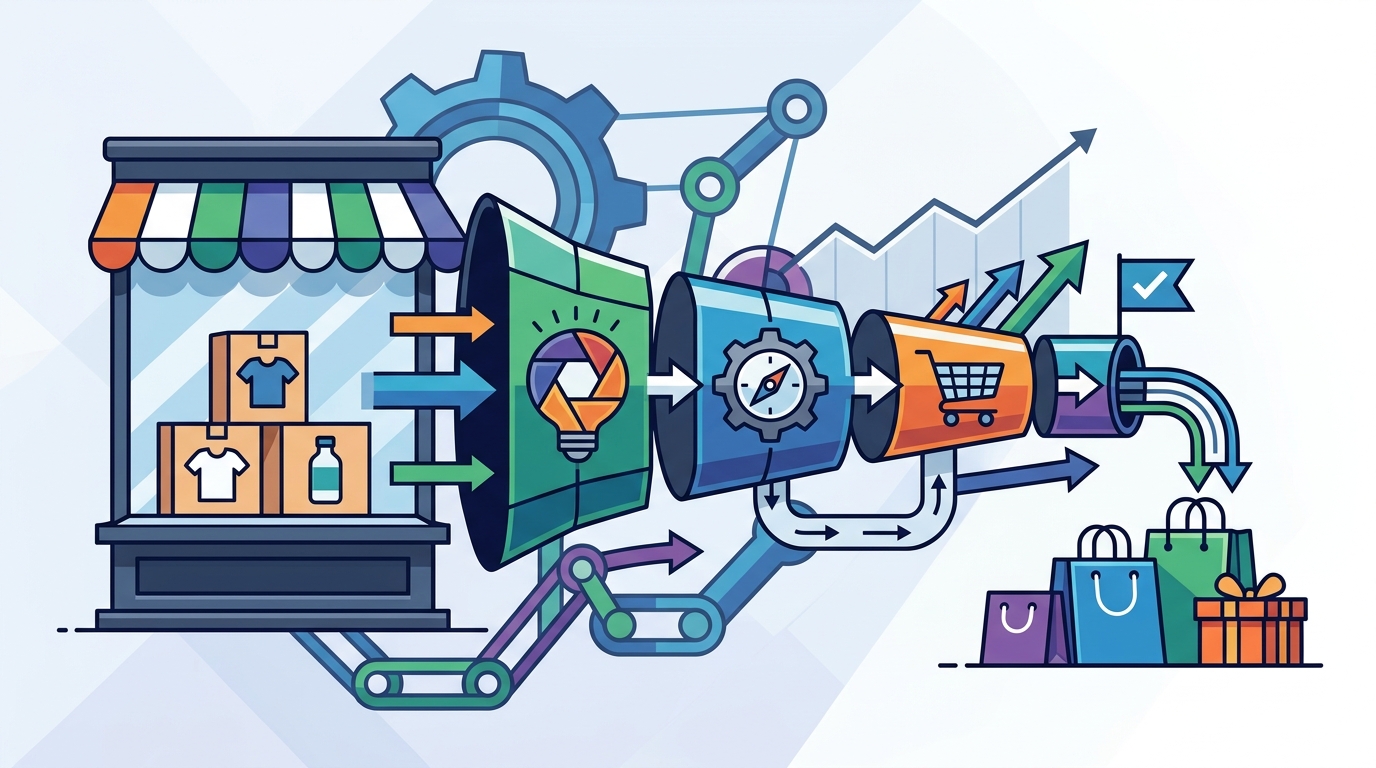
The Redesign Workflow: From Audit to Launch
Understanding the process demystifies the redesign journey and helps you prepare for a successful collaboration. Here is a typical workflow used by top-tier agencies.
Phase 1: Discovery and Audit
The process begins with a deep dive into your current business operations, target audience, and competitive landscape. This phase involves collecting data on your existing traffic, conversion rates, and customer feedback. The goal is to identify pain points and opportunities for improvement.
Phase 2: Strategy and Wireframing
Based on the audit findings, a strategic roadmap is created. This includes defining the site architecture, user flows, and key performance indicators. Wireframes are then developed to map out the layout and functionality of each page, ensuring a logical user journey before visual design begins.
Phase 3: Design and Development
Designers create high-fidelity mockups that align with your brand identity and strategic goals. Once approved, developers build the site, integrating all necessary features, plugins, and third-party tools. This phase also includes rigorous testing to ensure functionality, speed, and security.
Phase 4: Content Migration and SEO
Existing content is audited, updated, and migrated to the new platform. SEO best practices are applied throughout, including keyword optimization, meta tag updates, and internal linking strategies. This ensures that your search rankings are preserved and potentially improved during the transition.
Phase 5: Launch and Optimization
After final testing and client approval, the site goes live. The agency monitors performance closely during the initial weeks to address any issues and ensure a smooth transition. Post-launch, ongoing optimization and marketing efforts are implemented to drive traffic and conversions.
Key Takeaways
- Integrated Strategy: Successful e-commerce redesigns combine creative design with performance marketing principles to drive measurable results.
- Mobile-First Priority: With a majority of shoppers using mobile devices, responsive design is non-negotiable for modern e-commerce success.
- SEO Foundation: Technical SEO must be built into the site architecture from the start to ensure long-term visibility and growth.
- Content is King: High-quality, optimized content is essential for building trust and improving search engine rankings.
- Ongoing Support: A redesign is not a one-time event; it requires continuous marketing and optimization to maintain momentum.
- Agency Expertise: Specialized agencies bring a wealth of experience and tools that DIY solutions cannot replicate, ensuring a higher quality outcome.
- ROI Focus: The ultimate goal of any redesign is to increase conversions and revenue, making a strategic partnership crucial for success.
Frequently Asked Questions
How long does an e-commerce website redesign take?
The timeline varies depending on the complexity of the project, but a typical redesign takes between 8 to 12 weeks. This includes the discovery, design, development, and testing phases. Agencies provide detailed timelines during the proposal stage to set clear expectations.
Will I lose my current SEO rankings during the redesign?
When done correctly, a redesign should improve your SEO rankings, not hurt them. Agencies implement 301 redirects, preserve URL structures where possible, and optimize new content for search engines. A thorough SEO audit and migration plan are critical to maintaining and enhancing your visibility.
Can a marketing agency help with post-launch marketing?
Yes, many agencies offer ongoing marketing services, including search engine optimization, social media management, and paid advertising. This ensures that your new site continues to attract traffic and convert visitors effectively after the launch.
What is the difference between a web developer and a marketing agency?
Web developers focus on the technical construction of the site, ensuring it functions correctly. Marketing agencies take a broader approach, integrating design, content, and marketing strategy to ensure the site achieves business goals. An agency-led redesign is often more holistic and results-oriented.
How much does an e-commerce redesign cost?
Costs vary widely based on the scope of the project, the agency's expertise, and the specific features required. While DIY platforms may seem cheaper initially, the long-term costs of poor performance and lack of support can be significant. Agencies provide transparent pricing based on a detailed scope of work.
Do I need to migrate all my existing content?
Not necessarily. A content audit is often part of the redesign process to determine which content is still valuable and which should be updated or removed. This ensures that your new site is lean, relevant, and optimized for your target audience.
How do I choose the right agency for my redesign?
Look for an agency with experience in your industry, a strong portfolio of e-commerce projects, and a clear understanding of your business goals. Request case studies and client references to gauge their track record and approach.
Start Your Transformation
Ready to elevate your e-commerce presence? Partner with a team that understands the intersection of design and performance. Contact Design Digital today to schedule a consultation and discover how we can help you achieve your growth objectives. Visit our services page to learn more about our comprehensive digital solutions.