

Digital Marketing Strategy: Data-Driven Growth for Australian E-Commerce and Brands
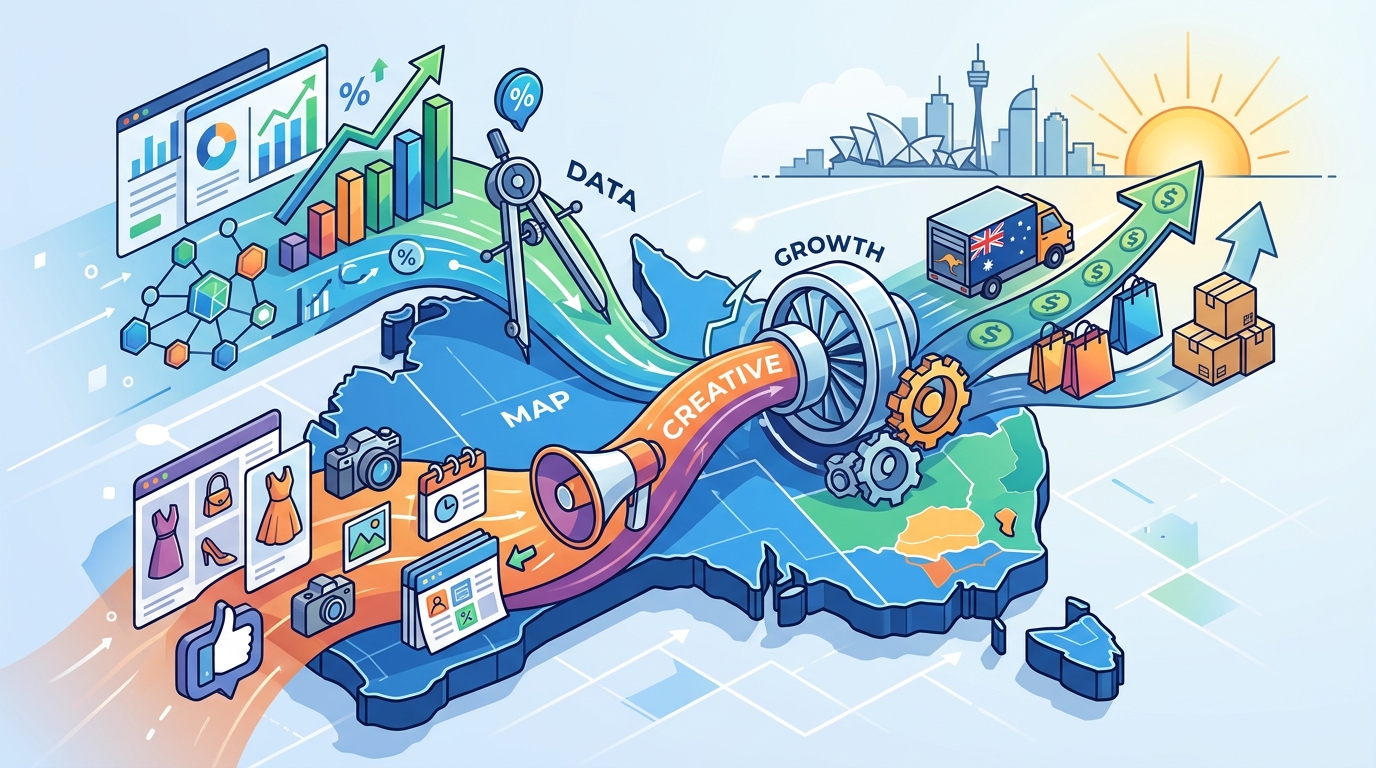
In the current digital landscape, the distinction between creative storytelling and hard data analytics is no longer a choice but a necessity. Design Digital operates on the principle that data shows us where to go, while creative gets us noticed when we get there. This synergy is critical for Australian businesses aiming to scale. According to recent industry analyses, companies that integrate performance marketing with content strategy see a significant uplift in return on investment compared to those relying on siloed efforts. The modern consumer journey is fragmented, requiring a unified approach that bridges the gap between initial awareness and final conversion.
Defining Digital Marketing in the Modern Era
To understand the scope of digital marketing, we must first establish clear definitions. Digital marketing is the use of online channels to promote products or services to a targeted audience. This broad definition encompasses everything from search engine optimization to social media engagement. However, for Australian businesses, the definition extends further into the realm of performance. Performance marketing is a type of digital marketing where advertisers pay only for a specific action, such as a sale or lead. This model reduces risk and aligns agency incentives with client growth.
Another critical component is the technical foundation. Search engine optimization is the practice of increasing the quantity and quality of traffic to your website through organic search engine results. Without a robust SEO framework, even the most creative content remains invisible. These three pillars form the backbone of any successful digital strategy, ensuring that brands are not only seen but also trusted and acted upon.
The Data-Creative Balance
Many organizations fail because they prioritize one side of the equation over the other. They create beautiful content that no one sees, or they run data-heavy ads that lack emotional resonance. The most effective agencies, such as Design Digital, find the balance of data and creative to accelerate growth. This approach ensures that every campaign is both insight-driven and impossible to ignore.
Data provides the roadmap. It tells us which keywords are converting, which demographics are responding, and which channels offer the lowest cost per acquisition. Creative provides the vehicle. It captures attention in a crowded feed, builds brand affinity, and communicates value proposition clearly. When these elements work in tandem, the result is a scalable growth engine.
Consider the role of marketing automation. Marketing automation is the technology that manages repetitive marketing tasks, such as email campaigns, social media posting, and ad placements. By automating these processes, brands can maintain consistent communication with their audience while freeing up human talent to focus on high-level strategy and creative development. This efficiency is crucial for maintaining momentum in a fast-paced digital environment.
Core Services for E-Commerce Growth
For e-commerce businesses, the digital strategy must be tightly integrated with sales funnels. The goal is to move customers from first clicks to long-term loyalty. This requires a suite of specialized services that work together seamlessly.
Search and Social Media
Search marketing captures high-intent users who are actively looking for solutions. Social media marketing builds brand awareness and engages users in a more casual, exploratory mindset. Both are essential. Search brings the ready-to-buy audience, while social media creates the desire that leads to future purchases.
Video Content and Website Design
Video content has become the dominant medium for digital consumption. It allows for deeper storytelling and higher engagement rates than static images. Similarly, website design is not just about aesthetics; it is about user experience and conversion optimization. A well-designed site reduces friction, guiding visitors toward the desired action with clarity and speed.
CRM and Marketing Automation
Customer Relationship Management (CRM) systems store valuable data about customer interactions. When integrated with marketing automation, this data can be used to personalize communications and nurture leads through the sales funnel. This level of personalization is key to building long-term customer relationships and increasing lifetime value.
Platform-Specific Strategies
Different platforms require different approaches. A one-size-fits-all strategy rarely works in the digital space. Understanding the nuances of each platform is critical for success.
| Platform | Primary Strength | Strategic Focus | Best For |
|---|---|---|---|
| Visual Storytelling | Brand Awareness & Engagement | Fashion, Lifestyle, E-Commerce | |
| High Intent Search | Lead Generation & Sales | Service Businesses, E-Commerce | |
| Meta | Targeted Advertising | Conversion & Retargeting | B2C Brands, E-Commerce |
| TikTok | Viral Reach | Brand Discovery & Trends | Youth Demographics, Viral Products |
| Shopify | E-Commerce Infrastructure | Sales & Inventory Management | Online Retailers |
Each platform offers unique opportunities for brands to connect with their audience. For example, Instagram is ideal for fashion brands like Dion Lee or Sacha Drake, where visual appeal is paramount. Google Ads are essential for service-based businesses looking to capture immediate demand. TikTok offers unparalleled reach for brands willing to embrace raw, authentic content.
Industry Applications and Case Studies
The effectiveness of digital marketing varies by industry, but the underlying principles remain consistent. Let us look at how different sectors leverage these strategies.
Fashion and Apparel
In the fashion industry, brand identity is everything. Brands like Alex Perry and Van Der Kooij rely on high-quality visual content and precise targeting to reach their luxury audience. Digital marketing allows them to showcase their craftsmanship and exclusivity to a global audience, driving both brand prestige and sales.
Real Estate and Property
For real estate, trust and expertise are key. Companies like iBuyNew and OpenCorp use content marketing and SEO to establish authority in the property investment space. By providing valuable insights and data-driven advice, they attract serious investors and build long-term relationships.
Health and Fitness
The fitness industry, represented by brands like Fitstop, benefits from community-driven marketing. Social media platforms allow them to share success stories, workout tips, and class schedules, fostering a sense of belonging among members. This community aspect is a powerful driver of retention and acquisition.
Key Takeaways
- Data-Driven Creativity: Successful digital marketing requires a balance of creative storytelling and data analytics to maximize ROI.
- Integrated Services: Combining SEO, social media, and content creation creates a cohesive brand presence that resonates with audiences.
- Platform Specificity: Tailoring content and strategy to the unique strengths of each platform, such as Instagram for visuals or Google for intent, is crucial.
- E-Commerce Focus: For online retailers, integrating marketing automation and CRM systems is essential for scaling sales and customer loyalty.
- Industry Expertise: Understanding the specific needs of industries like fashion, real estate, and fitness allows for more effective and targeted campaigns.
- Performance Marketing: Paying for results rather than impressions ensures that marketing budgets are spent efficiently and effectively.
- Continuous Optimization: Digital marketing is not a set-and-forget strategy. Continuous testing and optimization are required to stay ahead of competitors.
Frequently Asked Questions
What is the difference between SEO and SEM?
SEO (Search Engine Optimization) focuses on improving organic search rankings through content and technical improvements. SEM (Search Engine Marketing) involves paid advertising to appear in search results. Both are important for a comprehensive digital strategy.
How does marketing automation help businesses?
Marketing automation streamlines repetitive tasks, allowing teams to focus on strategy. It also enables personalized communication at scale, improving customer engagement and conversion rates.
Why is video content important for digital marketing?
Video content engages users more effectively than text or images alone. It allows for deeper storytelling and higher retention rates, making it a powerful tool for brand awareness and education.
Can small businesses benefit from performance marketing?
Yes, performance marketing is ideal for small businesses because it reduces risk. You only pay for results, such as clicks or sales, ensuring that your budget is spent efficiently.
How often should I review my digital marketing strategy?
It is recommended to review your strategy monthly to assess performance and make adjustments. Quarterly reviews are useful for longer-term planning and goal setting.
What role does social media play in e-commerce?
Social media drives traffic to e-commerce sites, builds brand awareness, and facilitates direct sales through shoppable posts. It is a critical channel for customer engagement and acquisition.
How do I measure the success of my digital marketing efforts?
Success is measured through key performance indicators (KPIs) such as conversion rate, cost per acquisition, return on ad spend, and customer lifetime value. Tracking these metrics provides insight into the effectiveness of your campaigns.
Start Your Growth Journey
Ready to transform your digital presence? Whether you are looking to increase e-commerce sales, generate more leads, or build brand awareness, Design Digital is here to help. Our team of strategists, creative storytellers, and digital specialists is ready to bring your brand into focus. Contact us today to request an audit and discover how we can accelerate your growth.